Who is involved
Eid al-Fitr, a significant religious holiday celebrated by approximately two billion people worldwide, marks the conclusion of Ramadan, the holy month of fasting in Islam. Traditionally, it is a time for communal prayers, feasting, and giving thanks. In 2026, the festival is anticipated to fall on either March 19 or March 20, contingent upon the sighting of the moon, which plays a crucial role in determining the Islamic calendar dates.
Prior to this development, there was a general expectation that Eid al-Fitr would occur around the same time as in previous years, with the Islamic calendar being lunar-based. This means that Eid tends to shift approximately 11 days earlier each year. Ramadan in 2026 is expected to commence on February 18 or 19, depending on the observer’s location and moon sighting.
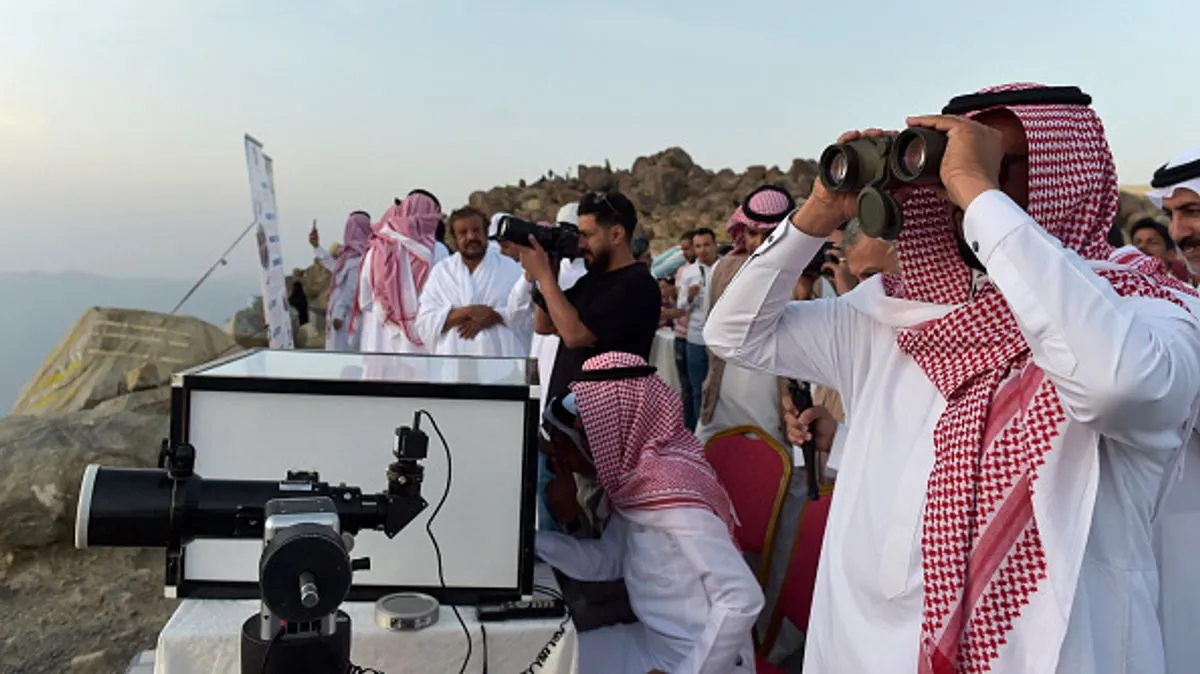
The decisive moment for determining the exact date of Eid al-Fitr will come with the moon sighting in Saudi Arabia, a practice that holds significant importance in the Islamic tradition. This year, as with others, the date remains uncertain until the moon is officially sighted. Details remain unconfirmed, leading to potential variations in observance across different regions.
The implications of this uncertainty are particularly relevant in the UK, where there is no nationwide framework for moon sighting. This absence can lead to discrepancies in the celebration of Eid among different communities. Some may choose to observe Eid on March 19, while others may follow the sighting and celebrate on March 20.
The celebration of Eid al-Fitr can last between one and three days, allowing families and communities to come together in joy and gratitude. Eid prayers are typically held in the early morning on the first day of Eid, marking the beginning of Shawwal, the 10th month in the Islamic calendar. This festival, which translates to “the festival of breaking the fast,” emphasizes the importance of community, charity, and reflection.
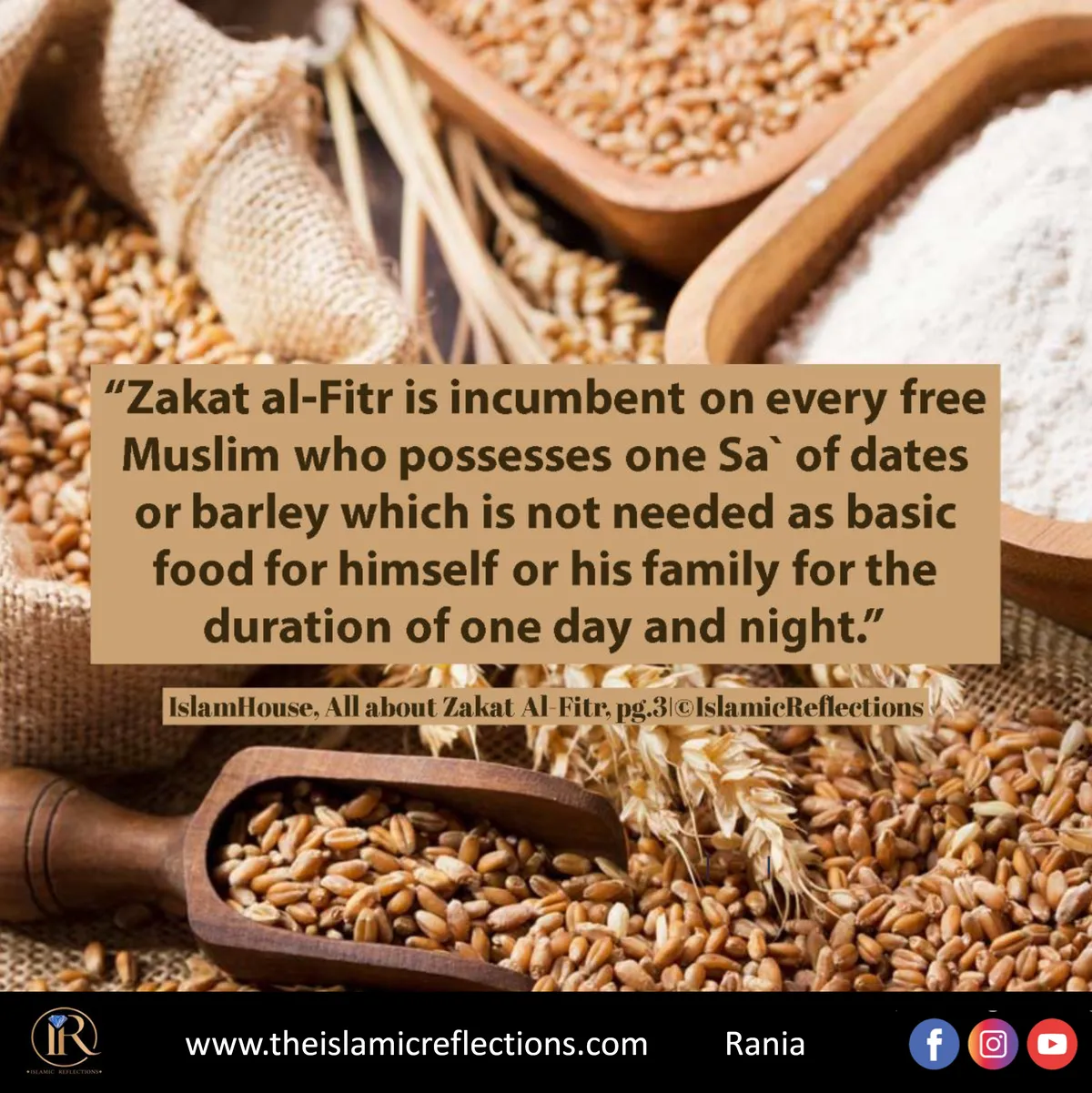
Experts highlight that the observance of Eid al-Fitr not only serves as a religious milestone but also fosters a sense of unity among Muslims globally. The festival encourages acts of charity, known as Zakat al-Fitr, which is often given to those in need before the Eid prayers. This practice underscores the significance of community support and compassion during this festive time.
As the date approaches, many in the UK and around the world will prepare for the celebrations, eagerly anticipating the joy and togetherness that Eid al-Fitr brings. The festival is a reminder of the values of patience, gratitude, and community, which are central to the Islamic faith. With the expected dates of March 19 and 20, 2026, many will be looking forward to the festivities and the opportunity to celebrate with loved ones.