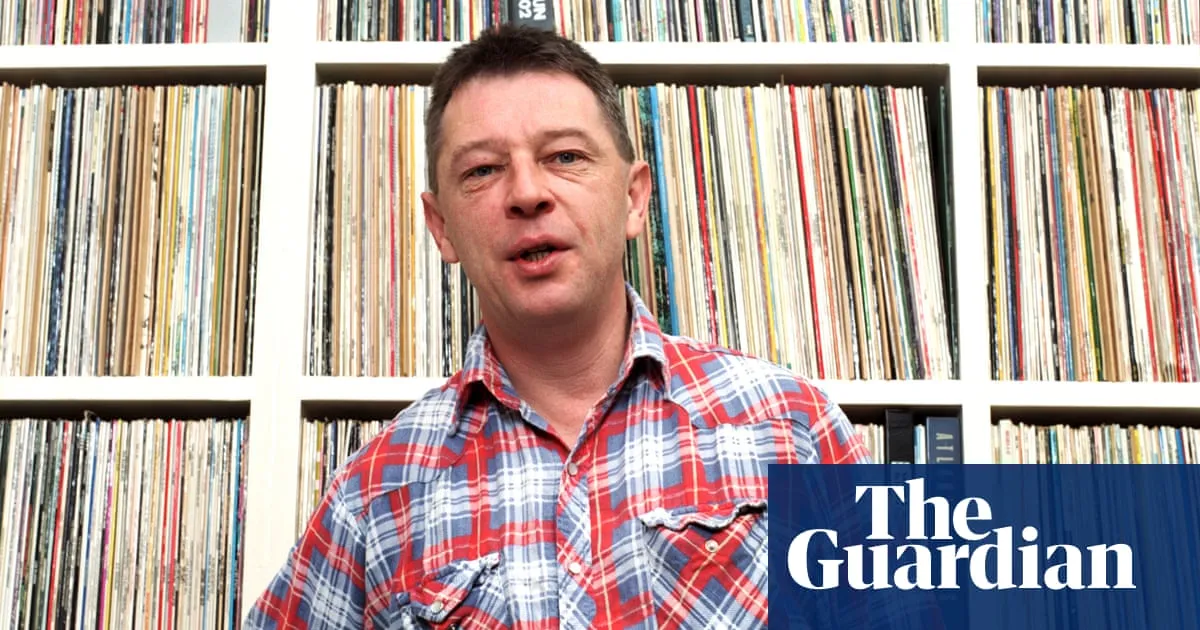
Andy Kershaw died aged 66 after undergoing treatment for cancer. He was diagnosed with spinal cancer in August 2025. His passing marks the end of a significant era in British broadcasting.
Kershaw began his national broadcasting career on television in 1984. He was best known for his 15-year stint on BBC Radio 1. His last show aired in 2000. He co-presented the TV coverage of Live Aid in 1985, a landmark event that showcased global music unity.
Born in Rochdale in 1959, Kershaw started as a promotions manager at Radio Aire in Leeds. He quickly made a name for himself by introducing audiences to diverse music from around the world. “I think initially Radio 1 wanted another [John] Peel, but I got quickly bored of those awful, insipid demo tapes I was receiving from Liverpudlian indie acts,” he once said.
His career had its ups and downs. Kershaw faced legal troubles and was jailed three times for breaching a restraining order. He also experienced personal struggles, including temporary homelessness after his marriage ended in 2008. Still, he remained a beloved figure in media.
Kershaw’s sister, Liz Kershaw, also worked at BBC Radio 1, creating a family legacy within the station. In addition to radio, he presented episodes of the Channel 4 series Travelog from 1990 to 1998, further expanding his influence.
He published an autobiography titled “No Off Switch” in 2012. The book detailed his career and personal life. His candid reflections included statements like: “Nobody, not even my allies within the serious media, bothered to look at what was really going on.” This honesty resonated with many fans and colleagues alike.
Kershaw’s long-term relationship with Juliette Banner lasted for 17 years. Their partnership often intersected with his professional life, further enriching his narrative as a broadcaster.
Observers expect tributes to pour in as news of his death spreads. Many will remember him not just for his broadcasting prowess but also for his insatiable curiosity about the world—”It’s an insatiable curiosity, basically, a nosiness,” he said about himself.