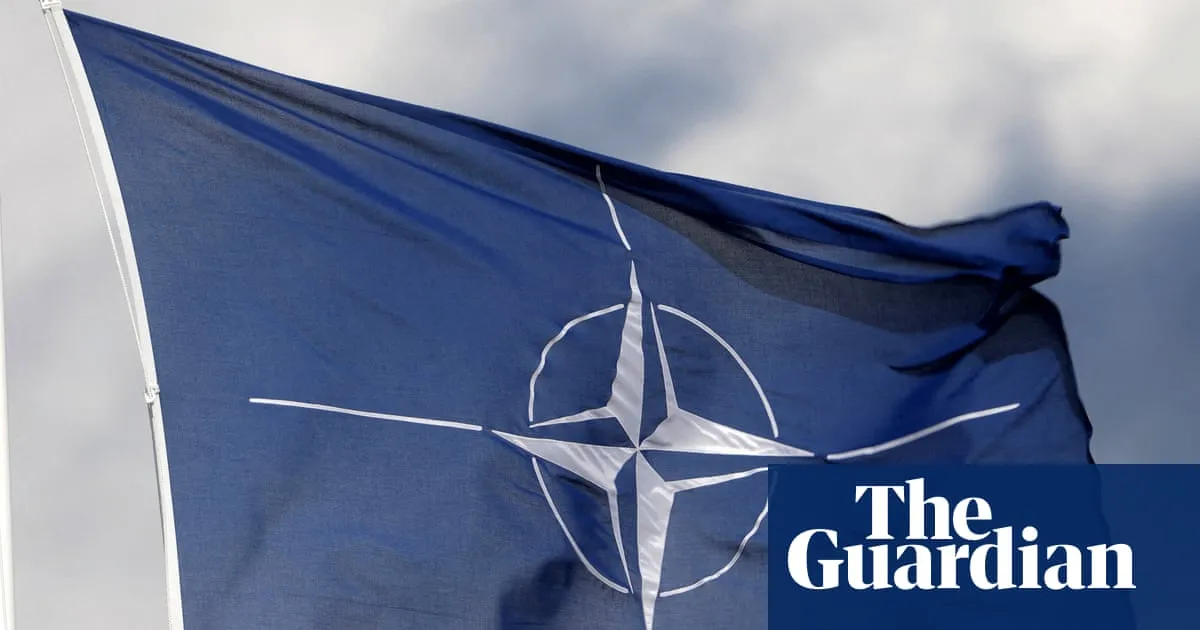
Nato’s engagement with the film industry has sparked controversy over the use of art for propaganda purposes. The organization is holding closed-door meetings with film and TV professionals across Europe and the US.
These meetings have prompted accusations that Nato seeks to use the arts to influence public perception and support for increased defence spending. Alan O’Gorman, a member of the Writers’ Guild of Great Britain, called the planned meeting in London “outrageous and clearly propaganda.” He emphasized that many people have experienced the consequences of wars involving Nato.
Key facts:
- Nato has held three meetings with film and TV professionals.
- The upcoming meeting in London will focus on the evolving security situation in Europe.
- Defence spending in Ireland has reached record levels following Russia’s invasion of Ukraine.
- An Ipsos poll shows 49% of voters in Ireland oppose joining Nato.
- In 2024, eight screenwriters were invited to Nato’s headquarters to learn about security policy.
Supporters of Nato argue that engaging with artists can help build public support for defence initiatives. A spokesperson from the Writers’ Guild stated, “The invitation we passed on from Nato to our screenwriter members was to an event offering a two-way conversation.” This reflects a push to involve creative professionals more deeply in discussions about security.
Yet, critics remain skeptical. O’Gorman expressed concern about using art as a tool for political messaging. He noted, “A lot of people, myself included, have friends and family or themselves come from countries that are not in Nato, that have suffered under wars that Nato has joined and propagated.” This sentiment highlights fears that art could be manipulated for military agendas.
The debate continues as more meetings are scheduled. No timeline has been shared regarding any potential changes to how Nato interacts with the film industry. As these discussions unfold, the implications for both art and politics remain unclear.