The UAE is set to leave OPEC on May 1, 2026. This decision represents a significant political and economic shift for the nation. The move could redefine its role in the global oil market.
Before the Iran war, the UAE produced 3.4 million barrels per day (b/d) of crude oil. It accounted for around 12% of total OPEC output. However, its production capacity has increased to about 4.85 million b/d.
In recent years, the UAE has expressed frustration with OPEC production quotas limiting its output. In 2024, the country’s average crude oil production dropped to 2.95 million b/d due to disruptions caused by the Iran war.
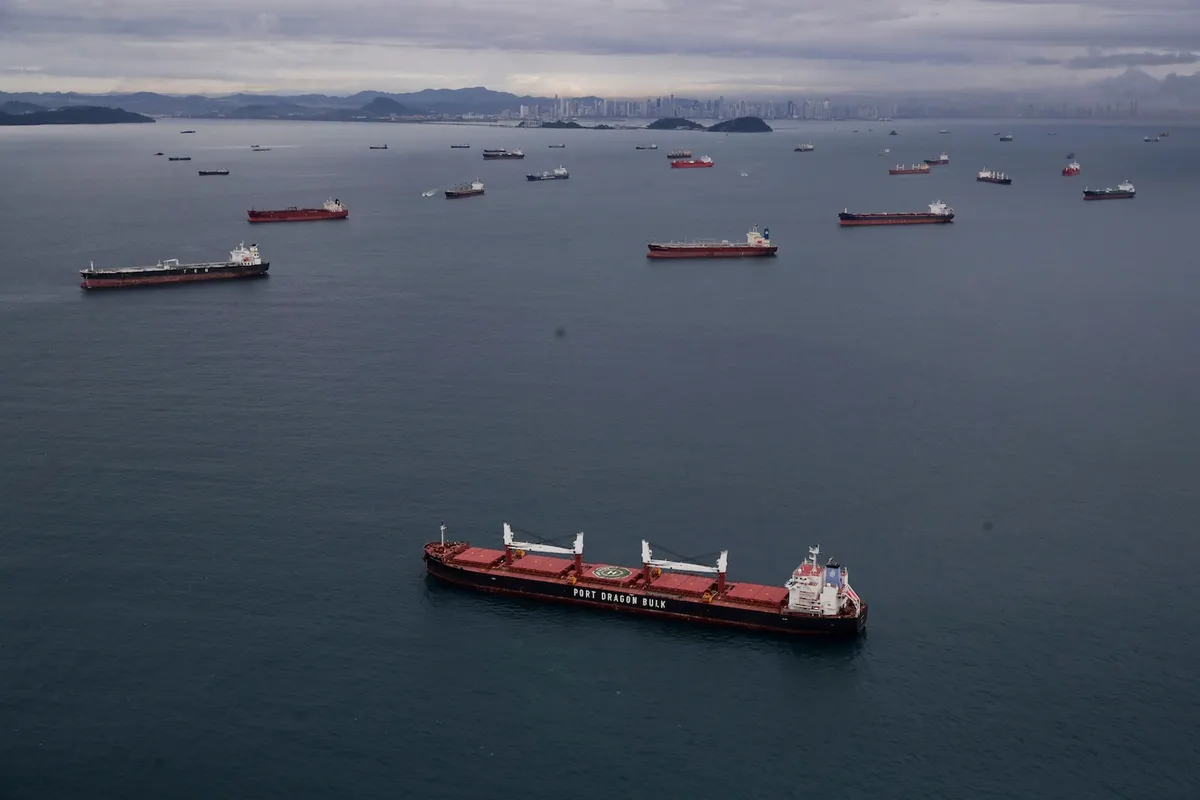
The Iran conflict has severely impacted oil production across the region. Reports indicate a 44% slump in UAE production due to the closure of the Strait of Hormuz. Moreover, 7.88 million barrels of OPEC’s production were wiped out in March as a direct result of this war.
The UAE’s departure from OPEC may lead to further fracturing among remaining members. Analysts suggest that this exit is a blow to OPEC’s influence in the oil market.
The UAE has been politically aligned with Israel and has shown hostility towards Tehran. Its exit is expected to strengthen relationships with the US.
Discussions about leaving OPEC have occurred behind closed doors for several years. The timing of this decision reflects ongoing intra-Gulf disputes over responses to regional conflicts.
Dr. Ebtesam Al-Ketbi stated, “The UAE is redefining its role from a producer within a bloc to a balancing producer that contributes to market stability through its ability to act.” Will Wechsler noted, “It is easy to understand why policymakers in the UAE are no longer interested in being part of this organization.”
Landon Derentz added, “The UAE’s decision to leave OPEC marks a symbolic political blow to the organization’s perceived influence.”