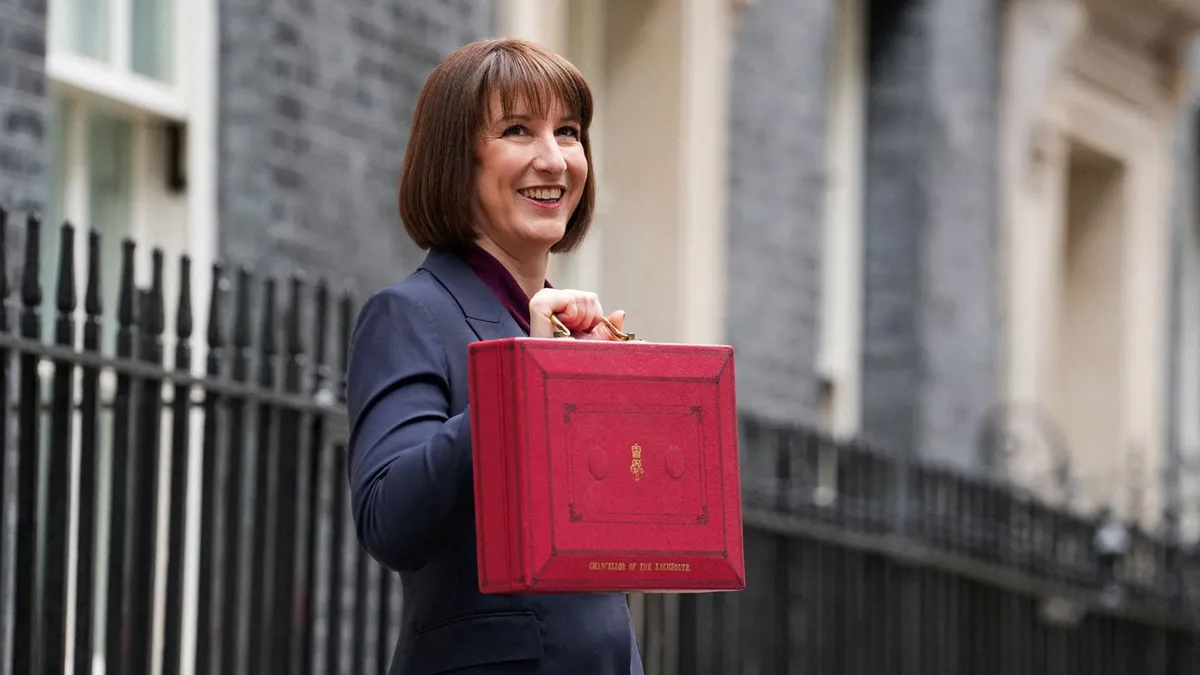
Rachel Reeves has confirmed significant tax changes that will affect millions in the UK, including a new charge for certain cars and increased taxes on savings and rental income. These changes will begin on 6 April 2027, as part of the government’s broader fiscal strategy.
Key details of the tax changes:
- The cash Isa limit will drop from £20,000 to £12,000 for individuals under 65.
- Income tax rates on savings and rental income will increase by 2 percentage points.
- Basic-rate taxpayers will pay 22% on interest or property income after the changes.
- Higher-rate taxpayers will pay 42%, while additional rate taxpayers will pay 47%.
- The threshold for Making Tax Digital will fall from £50,000 to £30,000.
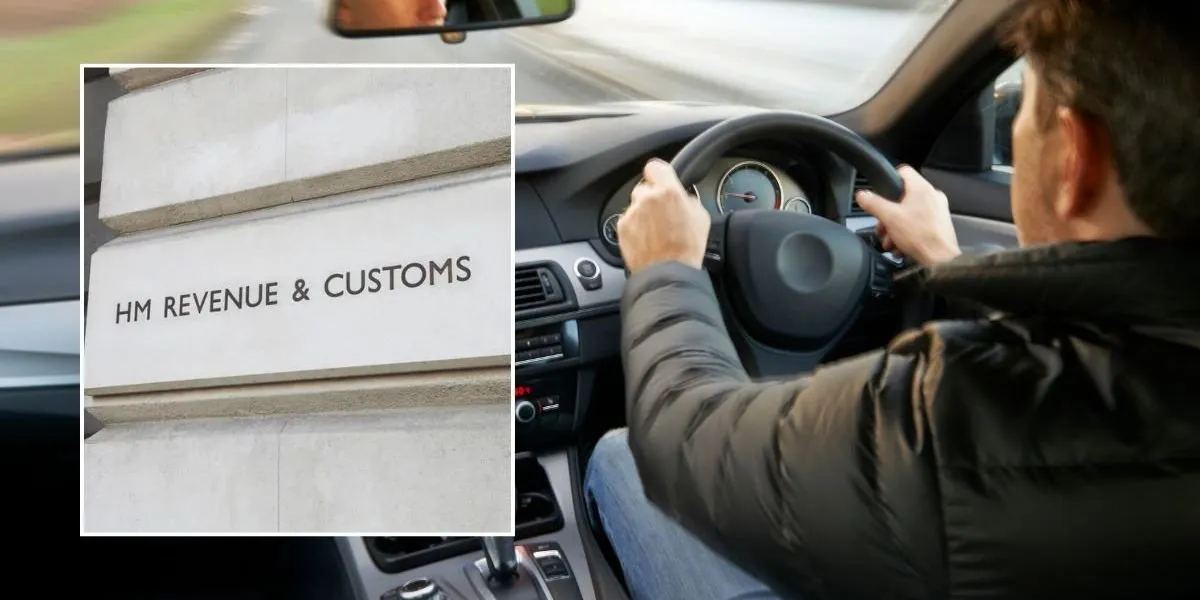
The Vehicle Excise Duty (VED) will also see significant adjustments. A £410 charge applies to certain cars starting in 2026. Cars with CO2 emissions below 100g/km will incur an annual fee of £20. Meanwhile, petrol and diesel vehicles emitting over 255g/km registered after April 1, 2026, will face costs of £5,690.
Classic cars built before January 1, 1986, are exempt from VED but must still be taxed. The standard rate for VED increased from £195 to £200 in April 2026. Electric vehicles will have a minimal fee of just £10 added to the standard rate of VED.
Financial experts are reacting to these changes. Clare Stinton noted that “the countdown is on.” Jason Hollands emphasized that in a higher-tax environment, how individuals structure their savings becomes increasingly important. Many landlords are reassessing their positions amid these adjustments.
Kenneth Rowson criticized the VED changes, stating that it is merely another tax imposed on motorists without direct relation to road usage. The full impact of these measures remains uncertain as stakeholders adjust to the new financial landscape.