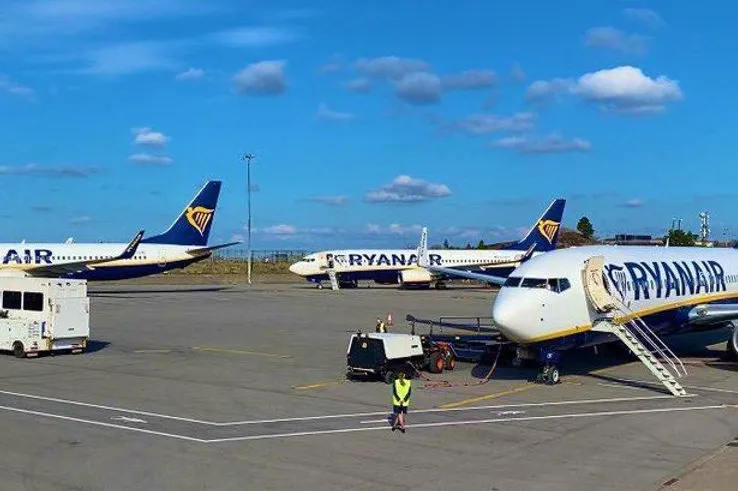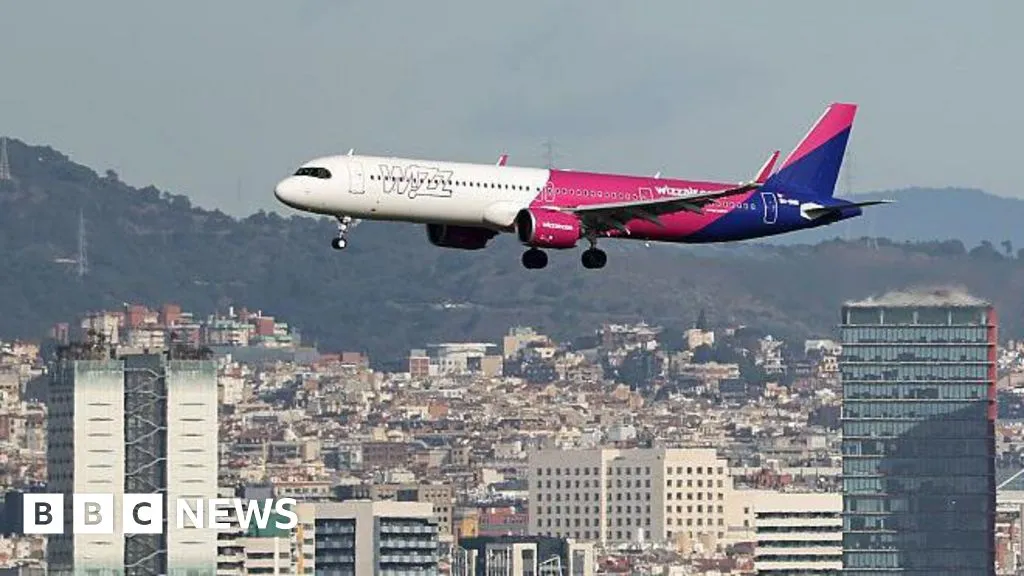
Wizz Air’s CEO, József Váradi, has confidently rejected bankruptcy claims made by Ryanair’s chief, Michael O’Leary. He emphasized the airline’s strong fuel hedging strategy and operational stability as key factors in navigating rising fuel prices.
The ongoing Iran conflict has shut down the Strait of Hormuz, limiting fuel shipments and destabilizing the oil market. Despite these challenges, Wizz Air has hedged 70% of its fuel needs for the summer. This strategic move allows the airline to pay only $700 per metric ton of jet fuel, significantly lower than the market price of around $1,700 at the time of the interview.
Váradi stated, “I don’t think we’re going to be running out of fuel.” He also noted that Wizz Air’s summer schedule is expected to be 17% larger than last year. This growth reflects confidence in their operations despite external pressures.
In contrast, O’Leary suggested that if oil prices remain high, two or three European airlines could face bankruptcy, including Wizz Air. However, Wizz Air’s liquidity ratio surpasses that of Ryanair, with two billion euros in cash available.
Key facts:
- Wizz Air has hedged 70% of its fuel needs for the summer.
- Current jet fuel cost for Wizz Air is $700 per metric ton.
- The market price for jet fuel was around $1,700 during March 2026.
- Wizz Air plans a 17% increase in its summer schedule compared to last year.
- Ryanair has hedged about 80% of its fuel needs at $67 per barrel through March 2027.
- Wizz Air holds a liquidity ratio higher than Ryanair’s with €2 billion in cash.
Váradi remains optimistic about the airline’s future. He believes that jet fuel traders will find alternative solutions and does not foresee disaster ahead. Yet, uncertainties linger regarding future fuel prices and their potential impact on airline operations.