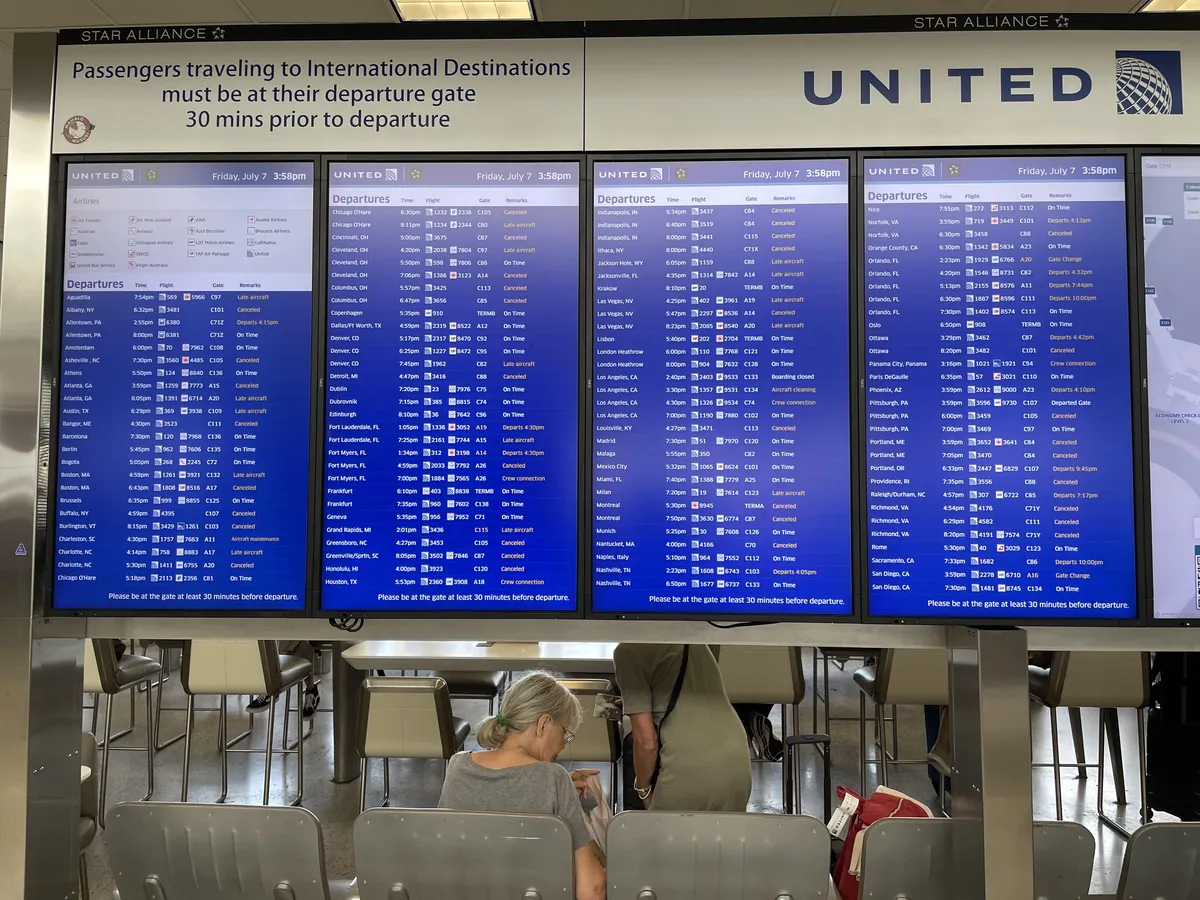
Major airlines cancelled 34 flights and delayed 272 more on April 26, stranding hundreds of passengers across Australia and New Zealand. The disruptions affected major airports including Sydney, Melbourne, Brisbane, Wellington, Auckland, and Christchurch.
Sydney recorded the highest number of cancellations with 10 flights failing to take off. Melbourne’s Tullamarine airport had a staggering 84 flights that either did not depart or arrive on time. Brisbane saw delays impacting 62 flights.
Auckland experienced eight cancelled flights along with an additional 44 delays. Wellington had four flights cancelled amid the chaos. These widespread cancellations and delays stemmed from rising fuel costs and the ongoing Middle East conflict.
Air New Zealand announced it would reduce its flight schedule and raise ticket prices in response to these rising costs. This decision follows a previous announcement on April 7 regarding planned reductions for May and June.
The air travel disruption has left many passengers seeking compensation for their inconveniences. Airlines are expected to address these claims as they manage the fallout from this extensive disruption.
Officials have not disclosed specific details about future flight schedules or further potential cancellations. The aviation network in the region remains under strain as airlines adapt to ongoing challenges.
As airlines work to stabilize operations, passengers are advised to check their flight status frequently. Many travelers are still navigating the effects of this disruption while awaiting updates from their respective airlines.