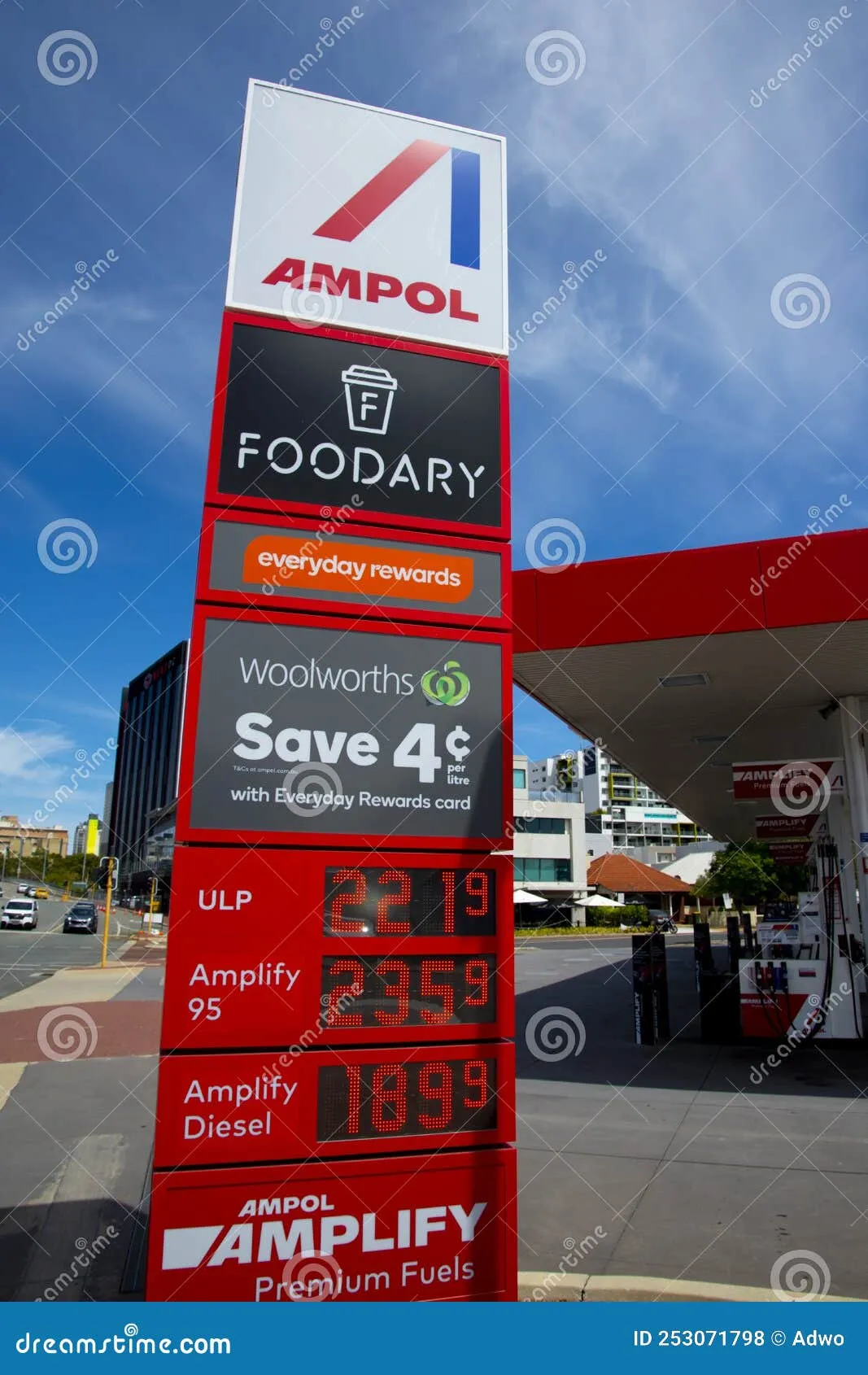
Australia is on the brink of a significant energy crisis, with petrol stations across the country facing the potential of running dry. This alarming situation arises from a combination of rapidly depleting oil reserves and an overwhelming reliance on imported fuels. As the nation grapples with these challenges, the implications for consumers and the economy are profound.
Currently, Australia has approximately 1.3 billion barrels of proven or probable oil reserves, alongside an additional 2.2 billion barrels classified as contingent reserves. However, these resources are being depleted at a rate that far exceeds the discovery of new reserves. According to Geoscience Australia, if the current trend continues, the country’s proven and probable resources could run dry in just seven years, particularly if 80 percent of liquid fuels remain reliant on imports.
The situation is exacerbated by the fact that Australia has only two operational oil refineries: the Ampol-owned Lytton refinery in Brisbane and the Viva Energy operation in Geelong. These aging facilities struggle to compete with larger, more efficient refineries in Asia, further complicating the domestic supply chain. Experts have noted that “refined fuels do not keep as long as crude and are much more volatile and deteriorate relatively quickly,” highlighting the risks associated with relying on imported refined products.
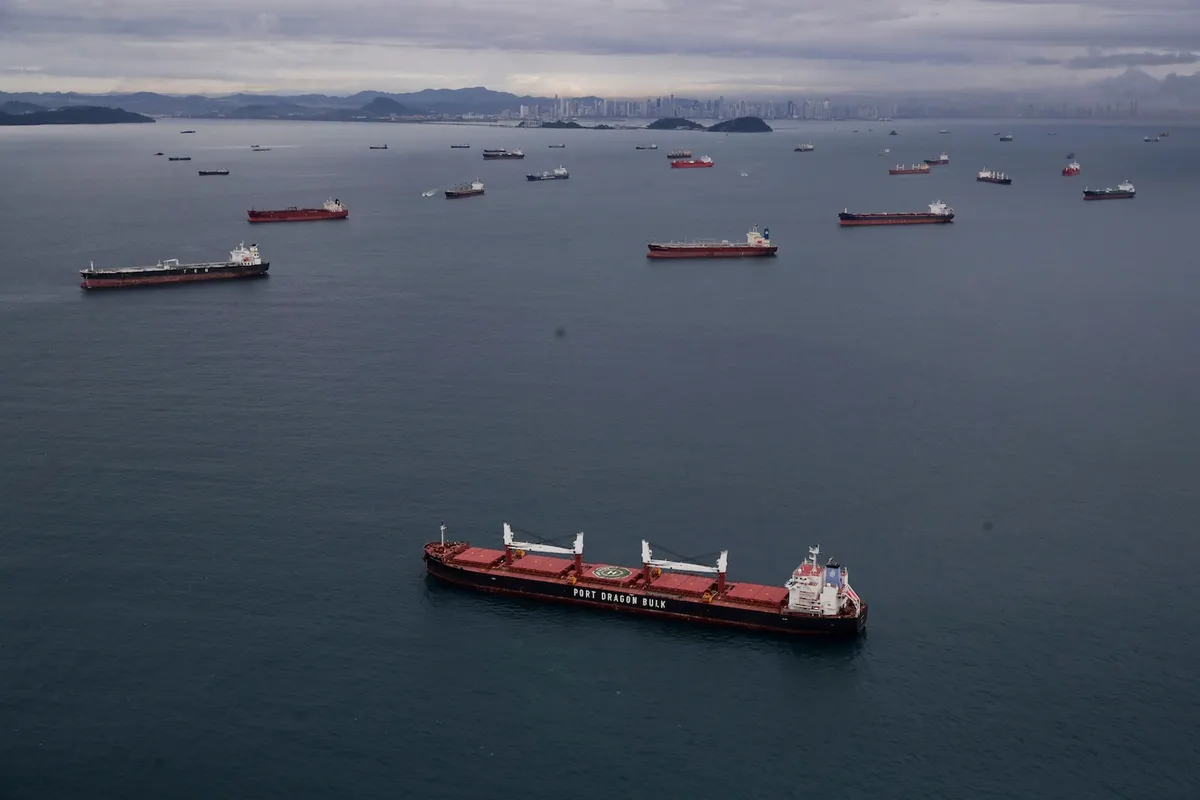
In addition to the dwindling reserves and limited refining capacity, the International Energy Agency mandates that all member countries, including Australia, maintain emergency oil stocks equivalent to at least 90 days of imports. However, Australia has recently faced challenges in meeting this requirement, with reserves previously held in the United States falling short of the necessary levels.
The Bass Strait, a significant source of oil for Australia, is nearing depletion, raising concerns about the country’s future energy security. As domestic production declines, the reliance on foreign oil becomes increasingly precarious, especially in a global market that is subject to fluctuations and geopolitical tensions.
As the situation unfolds, the Australian government and industry stakeholders are under pressure to devise strategies to mitigate the impending crisis. Potential solutions may include increasing investment in renewable energy sources, enhancing domestic production capabilities, or exploring new oil reserves. However, details remain unconfirmed regarding the specific measures that will be implemented to address these challenges.
The urgency of the situation cannot be overstated. With petrol stations potentially facing shortages, consumers may soon feel the impact of rising fuel prices and limited availability. As Australia navigates this critical juncture, the need for a comprehensive energy strategy has never been more pressing.