The Chernobyl disaster occurred on April 26, 1986. A reactor at the Chernobyl Nuclear Power Plant in Ukraine exploded. The explosion released a radioactive cloud that spread across Europe. The immediate aftermath was catastrophic.
In response to the disaster, authorities evacuated approximately 115,000 people from the surrounding area. The evacuation created a 2,600 square kilometer exclusion zone. This zone prohibits human activity and has remained largely uninhabited for decades.
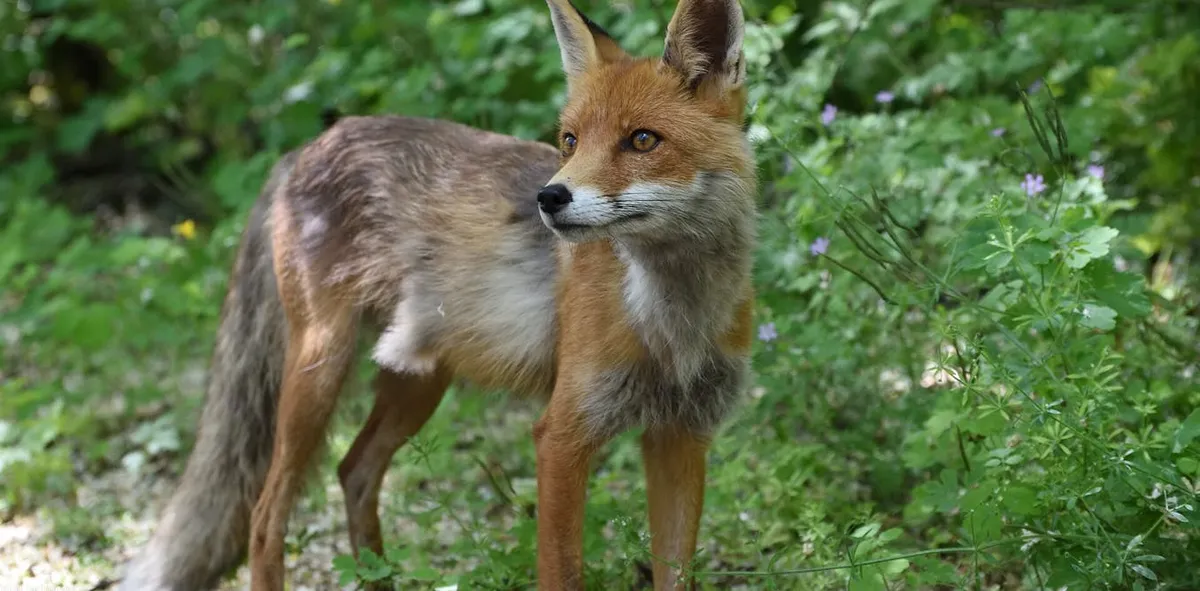
Since then, wildlife populations have significantly increased within the exclusion zone. Species such as wolves, foxes, elk, and wild boar have thrived in this environment. Remarkably, Przewalski’s horses were reintroduced in 1998. Their population has now grown to over 150 individuals.
The greater spotted eagle, an endangered species, has also returned to nest in the area. Studies indicate that the lack of human hunting and development has a more positive impact on animal numbers than radiation has a negative one. This finding highlights how ecosystems can recover when left undisturbed.
Some species have even adapted to the radioactive environment. For instance, tree frogs have changed color as a survival mechanism. Cladosporium sphaerospermum, a melanin-rich fungus, thrives in these conditions—growing faster in radioactive environments than it does elsewhere.
Research suggests that radiation may help certain fungi grow instead of harming them. Experiments show that Cladosporium sphaerospermum grows up to 500 times background levels of radiation under specific conditions. In space experiments, its growth increased by 20% due to radiation exposure.
Despite these adaptations, some species experience reduced reproductive success and high mutation rates from radiation exposure. The situation remains complex as scientists continue to study these phenomena.
Today, the Chernobyl Exclusion Zone stands as one of Europe’s largest nature reserves. It provides an important site for ecological research—particularly regarding how ecosystems recover when undisturbed by humans. The ongoing recovery of wildlife serves as a stark reminder of nature’s resilience in the face of adversity.