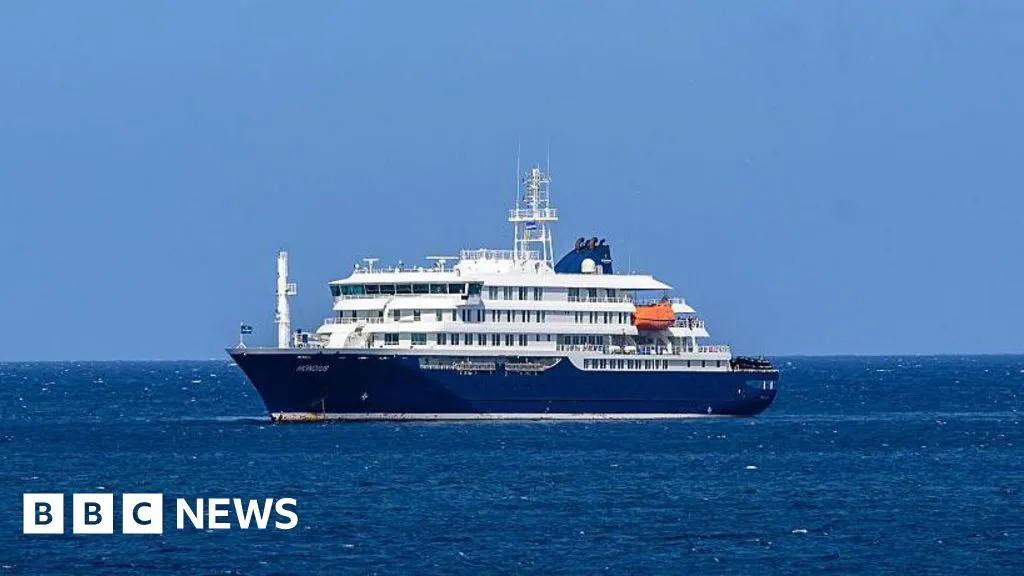
The World Health Organization suspects rare human-to-human transmission of hantavirus may have occurred among close contacts on the MV Hondius cruise ship. A cluster of hantavirus infections was reported among individuals traveling on the vessel in early May 2026.
As of May 4, 2026, seven cases of hantavirus infection have been identified. This includes two laboratory-confirmed cases and five suspected cases. Three fatalities have been recorded among the infected individuals, while one patient remains in critical condition under medical care in South Africa.
Symptom onset for those affected ranged from April 6 to April 28, 2026. Symptoms included fever and gastrointestinal issues. The index case died on April 11, 2026, while still on board the ship.
Authorities from multiple countries have initiated a coordinated international response that includes case investigation and medical evacuation. The outbreak appears confined to the cruise ship, with no evidence of transmission within African countries.
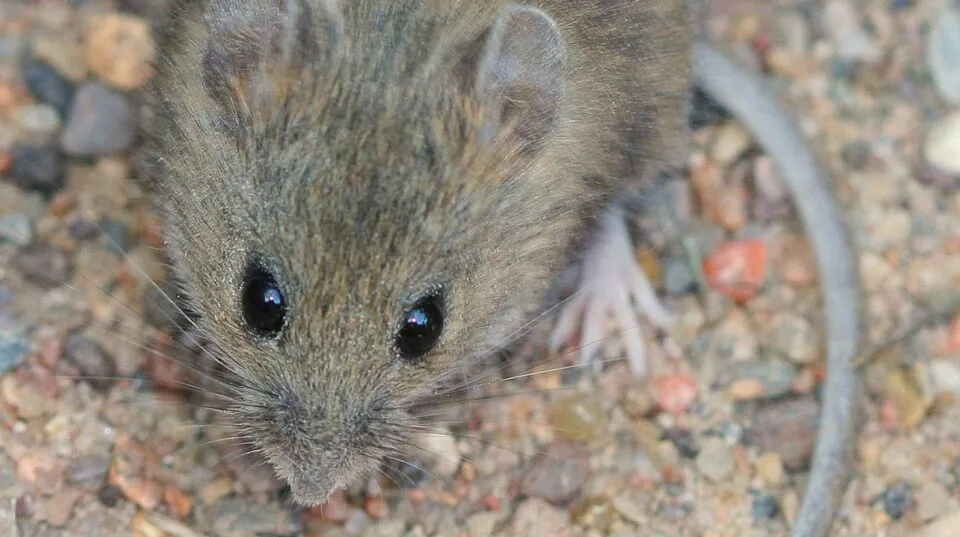
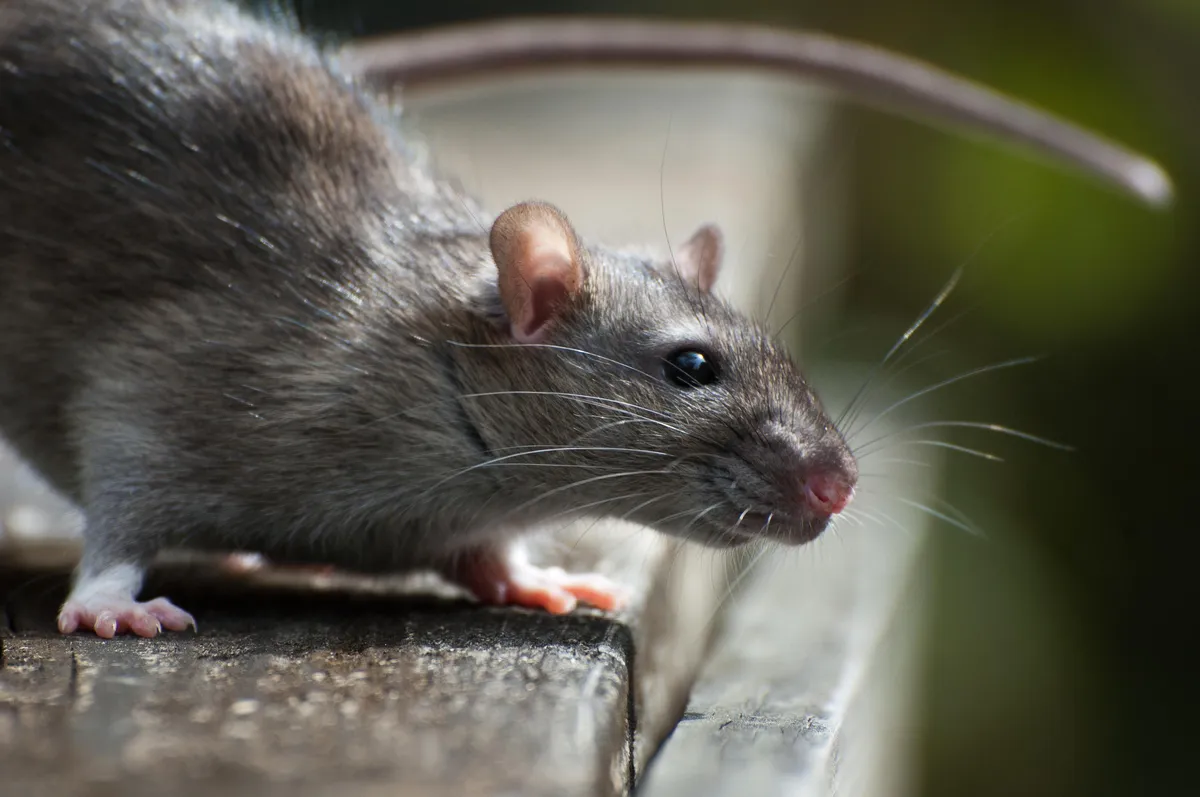
Hantaviruses are primarily transmitted through contact with infected rodent excreta, saliva, or urine. The WHO remains cautious about the situation, stating that there may be some human-to-human transmission among close contacts on board the ship.
A British crew member and a Dutch colleague are being medically evacuated due to respiratory symptoms. Maria Van Kerkhove from WHO emphasized their commitment to working with the ship’s operators to address this outbreak.
This incident highlights how zoonotic viruses can emerge in confined settings such as cruise ships. Experts warn that environmental health controls and rodent control measures are essential to prevent similar outbreaks in the future.
The exact source and mode of exposure for these hantavirus infections remain unclear. Officials have not confirmed whether there is ongoing transmission among crew members.