The numbers
In a recent statement, former President Donald Trump compared UK Labour leader Keir Starmer to Neville Chamberlain, the British Prime Minister known for his policy of appeasement towards Nazi Germany before World War II. This remark came as the Iran conflict entered its sixth week, with tensions escalating between the US and Iran.
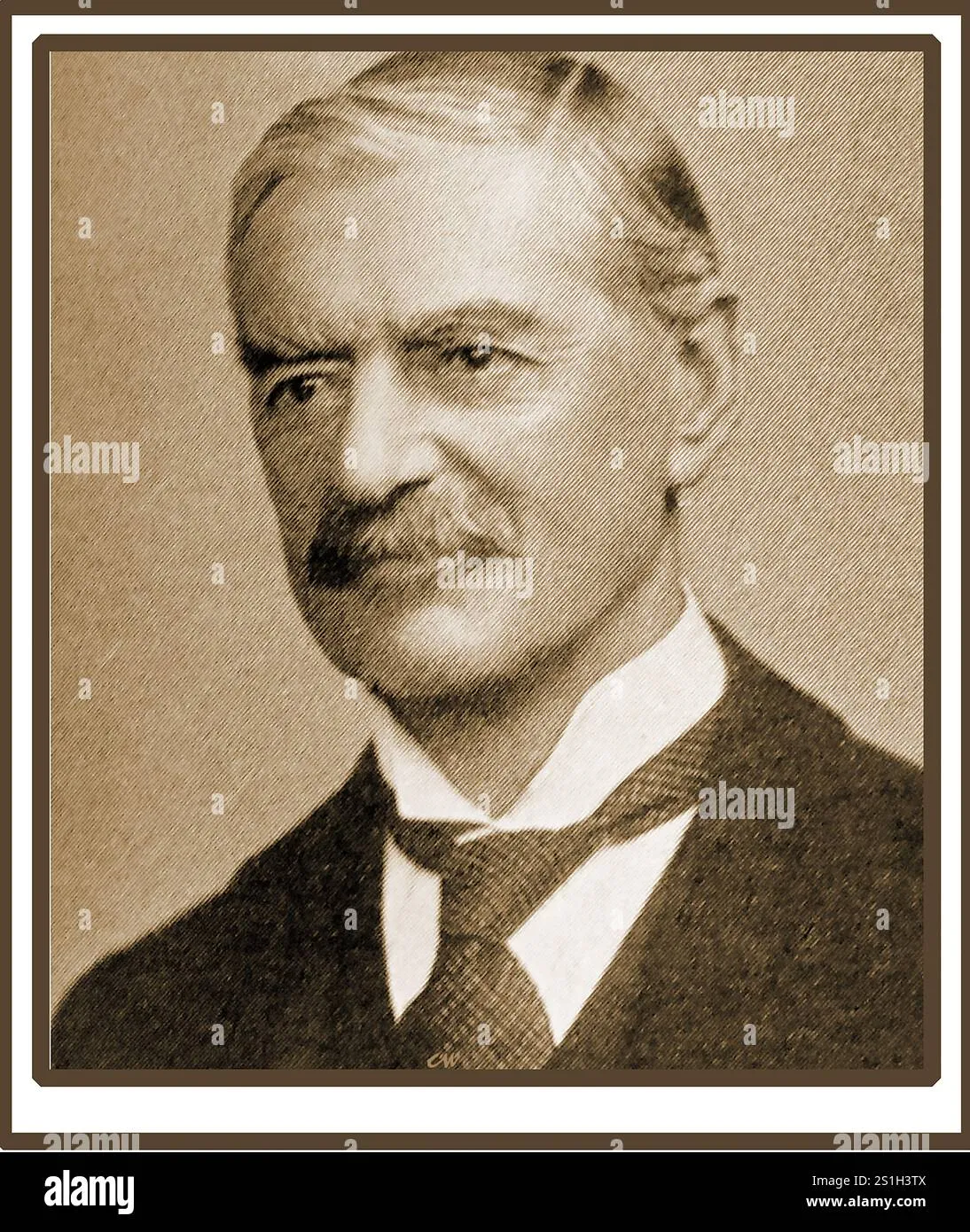
Trump stated, “We won’t want another Neville Chamberlain, do we agree? We don’t want Neville Chamberlain,” highlighting his disapproval of Starmer’s stance on the ongoing conflict. Starmer has notably refused to support US-Israeli attacks on Iran and has asserted that the UK will not engage in offensive operations regarding the situation.
As the conflict continues, UK aircrews and ground forces have undertaken defensive actions in the Middle East, but Starmer has emphasized prioritizing the UK’s national interests. He articulated, “The conflict is not our war,” indicating a clear divergence from Trump’s more aggressive rhetoric.
Trump’s comments come at a time when the transatlantic relationship between the US and UK is strained. In response to Trump’s suggestion that the UK allow US jets to use RAF bases for attacks on Iran, Starmer firmly rejected the request. UK Education Secretary Bridget Phillipson also stated, “It is not language or an approach that this government would be taking,” reinforcing the UK government’s position against adopting Trump’s aggressive tactics.
Trump has threatened to bomb Iran’s civilian infrastructure if Tehran does not reopen the Strait of Hormuz, further complicating the situation. His remarks reflect a broader strategy of using military threats to influence foreign policy, a stark contrast to Starmer’s diplomatic approach.
Observers note that the historical context of Chamberlain’s appeasement policy serves as a cautionary tale in current political discourse. Chamberlain’s attempts to negotiate peace with Hitler ultimately failed, leading to World War II. This historical reference underscores the weight of Trump’s comparison and the implications for modern leadership.
As the situation develops, the UK government remains focused on its national interests, with Starmer’s leadership style emphasizing diplomacy over military intervention. Details remain unconfirmed regarding the future of US-UK relations and the ongoing conflict in Iran, leaving many to speculate on the potential outcomes of these diplomatic stances.