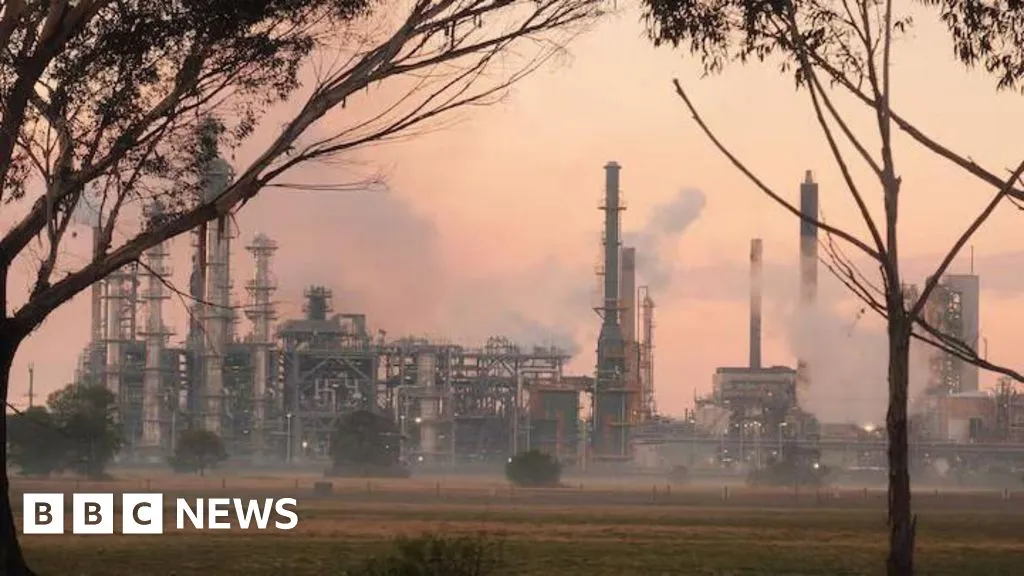
On April 16, 2026, a fire broke out at Viva Energy’s Corio facility in Geelong, Australia. The blaze lasted for 13 hours before firefighters extinguished it. It was contained to the Mogas section of the refinery, which produces motor gasoline.
The Geelong refinery processes about 120,000 barrels of oil per day. It supplies around half of Victoria’s fuel and 10 percent of Australia’s total fuel. This incident raises concerns about petrol availability in the region.
Meanwhile, on the same day, Ukrainian drones struck the Tuapse Oil Refinery in Russia. The Tuapse facility is one of the largest oil refineries in Russia with a processing capacity of approximately 12 million tons of petroleum products per year. The attack reportedly intensified a fire that spread to neighboring reservoirs.
The Tuapse refinery plays a crucial role in supplying fuel to the Russian military. Reports indicate that four casualties occurred during the drone strike, including two children.
Chris Bowen commented on the situation, stating, “This is not a positive development, but obviously there’s a long way to go in terms of working out just what the impact is.” Meanwhile, Professor Sajid Anwar noted that this fire represents a critical stress test for Australia’s energy resilience.
Details remain unconfirmed regarding the full impact of the fire on petrol supplies at Geelong. The exact cause of that fire is still under investigation. However, experts suggest that the continuation of jet fuel and diesel production indicates that the affected section was focused on higher octane ratings for petrol.
Australia has significantly reduced its domestic refining capacity over recent decades. This has increased dependence on imported refined fuels—making events like these particularly concerning for energy security.