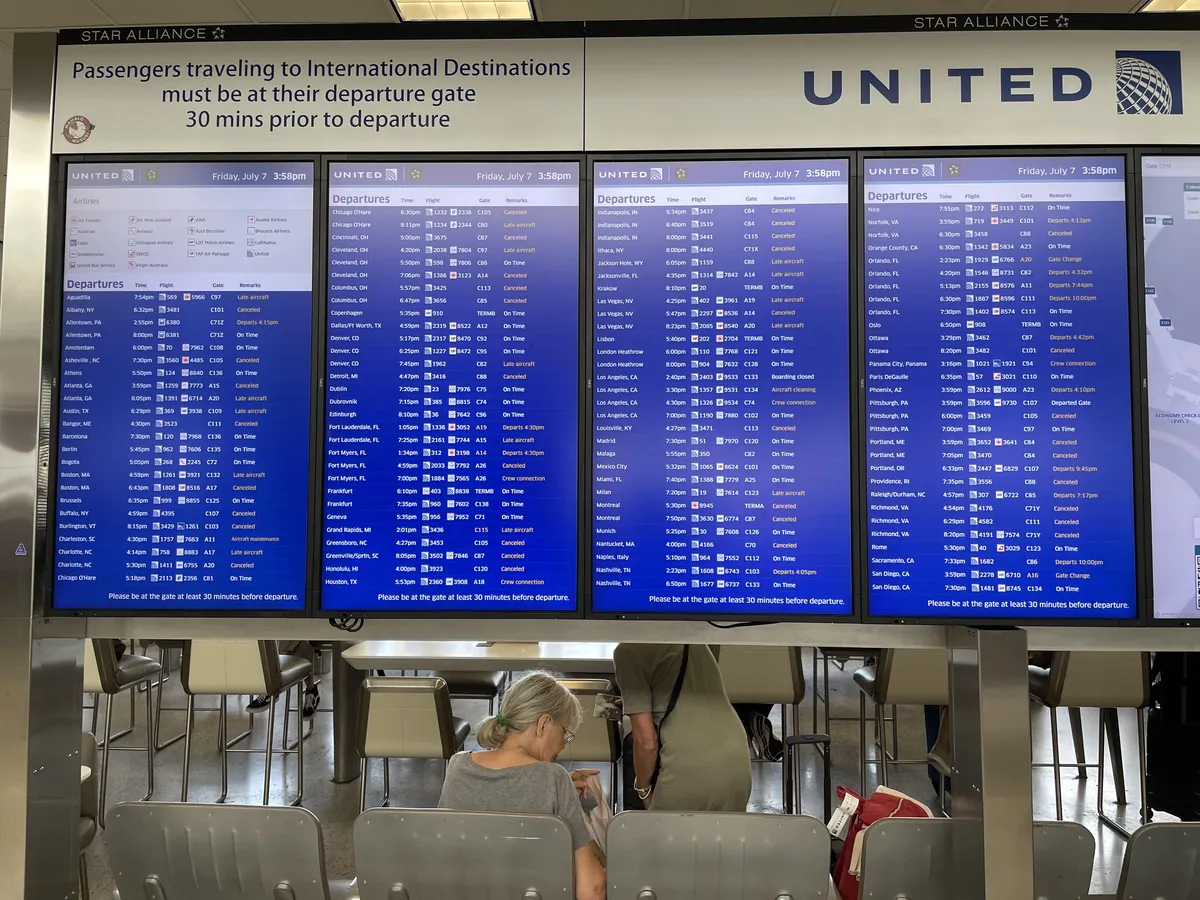
This week, Asia is facing a wave of flight cancellations and delays, with 67 cancellations and 1,470 delays reported across major cities including Tokyo, Bangkok, and Delhi. Overall, 4,319 delays and 189 cancellations have been recorded across the region, stressing airline schedules and increasing operational costs.
All Nippon Airways (ANA) is among the airlines grappling with the repercussions, facing heightened fuel burn, crew costs, and passenger care expenses due to the disruptions. The situation at Tokyo Haneda Airport is particularly concerning, as delays can lead to missed connections and force passengers to rebook on fuller flights.
In addition to operational challenges, Singapore Airlines has suspended its Singapore-Dubai route until at least May 31, while Japan Airlines (JAL) has cancelled all flights to Guam for April 14-15 due to Typhoon Sinlaku. Furthermore, Dubai has imposed a cap on foreign airlines, limiting them to a single daily flight through the end of May.
These cancellations and delays are attributed to a combination of operational restrictions, weather issues, and crew rotations affecting major hubs across Asia. The exact reasons for the widespread disruptions remain unconfirmed, leaving many travelers uncertain about their travel plans.
As the situation evolves, observers are closely monitoring the impact on airline operations and passenger experiences, particularly as summer travel approaches. The ongoing disruptions highlight the fragility of airline schedules in the face of unforeseen circumstances.